


Radio Sidney Presents
10-Part Documentary Series
Episode 1 • 7 pm April 30 • radiosidney.ca
Beware
Mysterious
Mark
A Harrowing True Account of Elder Financial Abuse
An elderly man welcomed someone into his life. Gradually, trust from his family was eroded, followed by the takeover of his home and finances. This documentary delves into the mechanisms behind this manipulation and the reasons it succeeds, featuring interviews with experts to help you prevent a similar fate.
The Episodes
Ten chapters in the unraveling of a quiet theft
New episodes weekly from April 30, 2026
Episode One
He Makes Me Do Things I Don’t Want To
Bert Cooper befriends a charming stranger named Mark Marshall, while his wife Diane and daughter Brooke grow uneasy about the new arrival.

Episode Two
I’d Be Honoured To Change Your Dad’s Nappies
Months after Diane’s death, Mark and his partner Donna position themselves as Bert’s caregivers — and begin probing for access to the family’s assets.
Beware Mysterious Mark
III
Coming
May 14
Episode Three
That Guy’s Stalking Your Dad!
A geriatric psychiatrist warns Brooke that Mark is a sociopath. Then a stranger calls — Mark just tried to change Bert’s will and Power of Attorney behind her back.

Beware Mysterious Mark
IV
Coming
May 21
Episode Four
I Don’t Want to Live With Them
Mark pressures Bert into buying a house the three of them will share. The deal collapses, but the next scheme arrives within days.

Beware Mysterious Mark
V
Coming
May 28
Episode Five
Mark Doesn’t Have a Dime
An RCMP constable takes Bert’s case seriously, initiating his second cognitive assessment. A trusted family friend overhears Donna’s true intentions.
Beware Mysterious Mark
VI
Coming
June 4
Episode Six
Brooke, I Want You To Have This House
Brooke fights to keep her late mother’s wishes intact while Mark and Donna begin probing the family bank accounts.

Beware Mysterious Mark
VII
Coming
June 11
Episode Seven
Mr. Marshall, You’re Not a Charity
A psychiatrist declares Bert incapable of financial decision-making. Mark immediately convinces him it’s all Brooke’s fault.
Beware Mysterious Mark
VIII
Coming
June 18
Episode Eight
I Cannot Put Words in Order Anymore
Bert’s cognitive decline accelerates while Donna secures her name on the title to the family home — without Brooke’s knowledge.
Beware Mysterious Mark
IX
Coming
June 25
Episode Nine
Your Father’s Bank Account Has About Nine Hundred Alerts!
The bank discovers nine hundred alerts on Bert’s account. Mark and Donna keep finding new ways to extract money from the increasingly cornered old man.

Beware Mysterious Mark
X
The Finale
July 2
Episode Ten · The Finale
I Could Do Without Mark
Mark and Donna bulldoze a driveway across Bert’s property without permits. Then karma delivers an unexpected gift.
The Experts
Four conversations to help you make sense of it
In-depth interviews with the people whose work sits at the centre of elder financial abuse.

Dr. of Ministry
Dr. Eric Partridge
Following careers in teaching, law, and public service, Eric was ordained in 2012. His doctoral research examined the impact of gratitude practices on chronic loneliness in older adults.
- Chronic loneliness in older adults
- Benefits of gratitude practices
- Tools to reduce loneliness
- The role of caregivers
- Protecting seniors from predatory relationships
Powerful, practical wisdom for protecting the seniors in your life.
Lawyer · Infinity Law
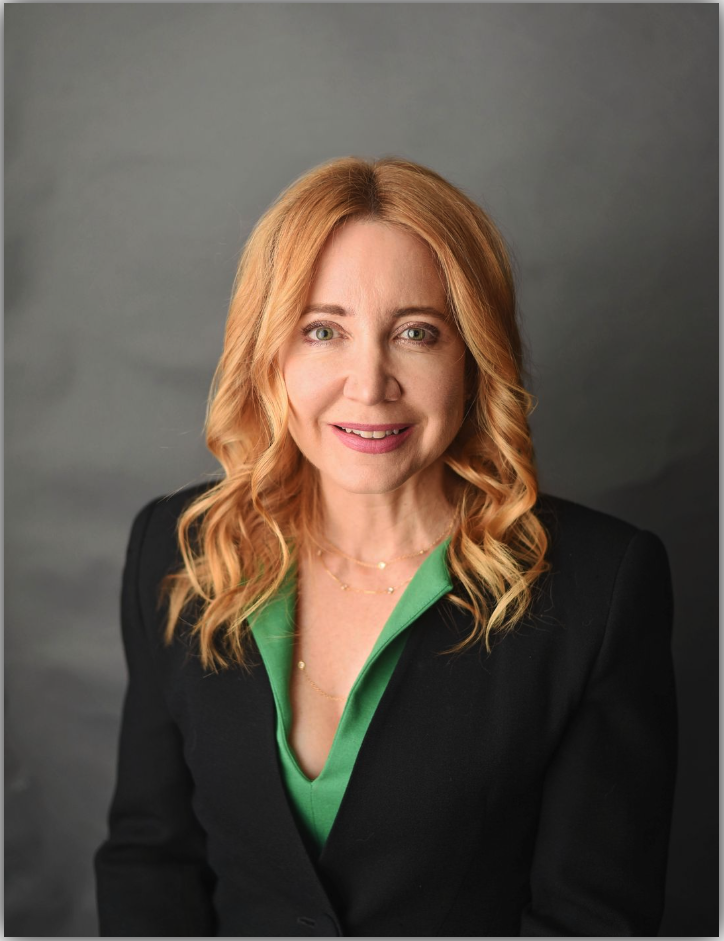
Charlotte Salomon, K.C.
A King’s Counsel with nearly 30 years of practice, Charlotte concentrates on wills, estate planning, and administration. She serves on the board of the Victoria Estate Planning Council.
- Essential legal documents
- Benefits of transparency within families
- Capacity
- Joint bank accounts
- Title transfers
- What to do when you suspect elder abuse
Know the documents. Have the conversation. Protect what matters.

Lawyer · Registered Social Service Worker
Nathan Spaling
Founder of Capacity Clinic, Canada’s first interdisciplinary medical-legal capacity assessment company, and co-founder of poaRegistry.ca. He coined the term “Incapacity Literacy.”
- Decision-making capacity
- Incapacity literacy
- Risks of professional silos
- Power of Attorney fraud
- The need for a national POA registry
Don’t leave incapacity planning to chance.
Geriatric Medicine
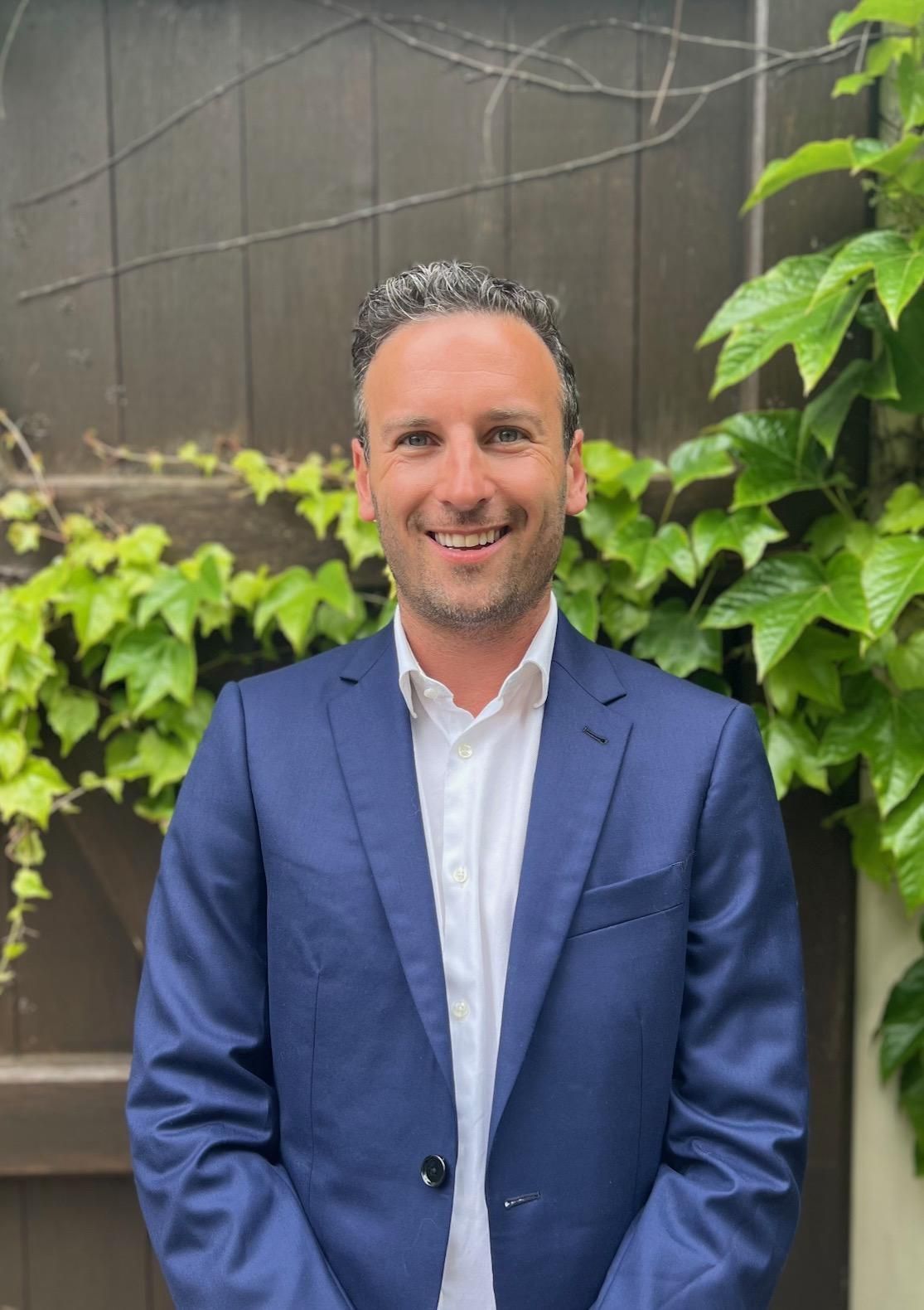
Dr. Joshua Budlovsky
A consultant geriatrician practising in Victoria, BC and clinical instructor at UBC. He co-leads Alzheimer’s research locally and provides outreach throughout rural BC, including Haida Gwaii.
- Geriatricians and geriatric assessments
- Cognitive impairment and dementia
- Capacity vs. capability vs. competency
- Financial capacity and the law
- The Public Guardian and Trustee
- Elder abuse and brain vulnerability
Essential listening for anyone with an aging loved one.
Where to Turn
Twenty-two organizations across British Columbia and Canada that can help
If you are worried about a senior in your life, or worried about yourself, the people and places below exist to help. Some are local. Some are provincial. All have answered the phone before.
Talk to someone
Seniors Abuse and Information Line
1-866-437-1940Mon–Fri, 8 am to 8 pm
Crisis support, 24/7
VictimLink BC
1-800-563-080824 hours, 7 days, 240 languages
Report financial abuse
Public Guardian and Trustee
604-660-4507Adult abuse referrals
For our region
Island Health Designated Agency
islandhealth.caSouth Island, including Sidney
Featured in the Series
Organizations whose work appears directly in the dramatized story or in the expert interviews.
Website: seniorsadvocatebc.ca
Phone: 1-877-952-3181 (toll-free) · 250-952-3181 (Victoria)
Email: info@seniorsadvocatebc.ca
The Office of the Seniors Advocate is an independent provincial government office with a mandate to monitor seniors’ services and report on systemic issues affecting seniors across BC. Current Seniors Advocate Dan Levitt has reported that calls to the Seniors Abuse and Information Line increased by 28 percent between 2019 and 2023, with calls specifically related to abuse rising 92 percent in the same period. The office publishes Fraud Prevention Resources for seniors and maintains an information and referral line staffed Monday to Friday, 8:30 am to 4:30 pm.
Website: beaconcs.ca
Volunteer services: 250-656-5537
Counselling intake: 250-655-5331
Email: counselling@beaconcs.ca
Beacon Community Services is a non-profit agency providing care and support to thousands of clients on southern Vancouver Island and the outer Gulf Islands. Its Social Prescribing Program connects adults aged 65 and older living on the Saanich Peninsula with local, non-clinical community services to enhance their health and wellness while reducing the negative impacts of social isolation and loneliness. Beacon also operates Better at Home services, senior housing navigation, subsidized housing for adults 55 and over, and a volunteer seniors advocate program.
Website: islandhealth.ca/learn-about-health/adult-abuse-neglect
Phone: Community Health Services General Enquiries, 8:30 am to 10:30 pm, seven days a week
Island Health is a designated agency under BC’s Adult Guardianship Act, with legally defined authority and responsibility to receive and investigate reports of abuse, neglect, or self-neglect of vulnerable adults who are unable to seek support on their own. Specially trained designated responders serve the South Island region, including Greater Victoria, Brentwood Bay, Saanichton, Sidney, and the southern Gulf Islands.
Website: rcmp-grc.gc.ca
BC E Division General Inquiries: 604-264-3111
The RCMP was one of two originally planned contributors that did not ultimately participate in the series. Constable Fredericks is nonetheless a significant character in the dramatized story, and five professionals who encountered Mark’s predatory behaviour each independently called the RCMP to report their concerns. The RCMP BC E Division has collaborated with the Public Guardian and Trustee and Fraser Health Authority to produce educational videos on the respective roles of police, the PGT, and designated agencies in responding to elder abuse.
Website: bcnotaryassociation.ca
The BC Notaries Association represents notaries public across British Columbia, who play a front-line role in detecting financial elder abuse through their work preparing wills, powers of attorney, and property documents. The Association emphasizes that notaries should explore whether older adults have decision-making capacity and are acting free of undue influence before proceeding with any legal documents.
Website: lawfoundationbc.org
The Law Foundation of BC funds access-to-justice initiatives throughout British Columbia, including the Elder Law Clinic and Legal Advocacy Program at Seniors First BC, which provide free legal advice, advocacy, and representation to seniors who cannot access legal help due to low income or other barriers. The Law Foundation also supports the Canadian Centre for Elder Law, which has produced the most substantive legal research in Canada on the financial abuse of seniors.
Website: trustee.bc.ca
Adult abuse referrals: 604-660-4507
Toll-free (via Service BC): 1-800-663-7867 — ask for Public Guardian and Trustee
Vancouver: 604-660-2421 · Victoria: 250-387-6121
Email: ais-pds@trustee.bc.ca
The Public Guardian and Trustee has authority under the Public Guardian and Trustee Act to investigate reports of financial abuse, neglect, and self-neglect when an adult’s assets are at risk and when there are concerns about the adult’s capability to manage their own financial affairs. Reports are accepted from designated agencies, involved professionals, families, and concerned citizens.
Website: bccpa.ca
CPA BC represents over 40,000 CPAs in British Columbia. Accountants and financial planners are in a front-line position to detect unusual transactions that may indicate financial elder abuse, and CPA BC has published member guidance on the duty of care and professional obligations when serving potentially vulnerable older clients.
Website: cba.ca
The Canadian Bankers Association represents more than 60 domestic and foreign banks operating in Canada and administers the Your Money Seniors financial literacy program, a set of free, non-commercial seminars for Canadian seniors presented by local bankers who volunteer their time. Banks occupy a key line of defence in detecting financial elder abuse, including through the Trusted Contact Person program, an emerging yet critically important safeguard. Major banks have also published publicly available guides on the warning signs of financial elder abuse, including the sudden appearance of a new companion at banking and legal appointments, unusual property transfers, and changes to power of attorney.
Website: seniorsfirstbc.ca
SAIL Line: 1-866-437-1940 (toll-free) · 604-437-1940 (Lower Mainland)
Hours: Mon to Fri, 8 am to 8 pm, excluding statutory holidays
Email: info@seniorsfirstbc.ca
Seniors First BC operates the Seniors Abuse and Information Line (SAIL), a confidential information line for older adults and those who care about them to speak to a professional intake worker about abuse, mistreatment, and any issues affecting the health and well-being of older adults in BC. SAIL receives over 7,000 calls per year province-wide, with more than 2,500 of those calls related to abuse, neglect, and self-neglect. Seniors First BC also provides a free Elder Law Clinic and Legal Advocacy Program, victim services for people aged 50 and over, and community education workshops on financial literacy and elder abuse prevention.
Capacity Clinic: capacityclinic.ca
Canadian Centre for Decision-Making Capacity: incapacityliteracy.org
POA Registry: poaregistry.ca
The Capacity Clinic is Nathan Spaling’s practice and the organizational home of the Canadian Centre for Decision-Making Capacity, a national nonprofit dedicated to advancing incapacity literacy across Canada. The Centre is building an evidence-based Pan-Canadian Assessment Framework to help professionals identify and respond to predictive risk factors for incapacity. Nathan also discussed the POA Registry, a fraud-prevention tool that allows professionals to register power of attorney documents and reduce the disconnected document problem that enables POA fraud.
Website: epcvictoria.com
Meetings: Second Tuesday of each month, September to June
The Estate Planning Council of Victoria is a professional networking and development forum for members working across accounting, insurance, law, financial planning, investment management, trust services, and planned giving.
Additional Resources
Broader help across British Columbia and Canada — community networks, legal aid, advocacy, and prevention.
Phone: 1-800-563-0808 (toll-free, 24 hours, 7 days)
Text: 1-800-563-0808
Email: 211-VictimLinkBC@uwbc.ca
VictimLink BC is a confidential, multilingual telephone service available across BC and the Yukon at all hours. It provides information and referral services to all victims of crime and immediate crisis support to victims of family and sexual violence, with language interpretation available in 240 languages and dialects, including many North American Indigenous languages.
Website: bccrn.ca
Community Response Networks are local coalitions of service providers, professionals, and community members who work together to identify and respond to elder abuse at the neighbourhood level. BCCRN supports and connects these networks across the province, helping communities build local capacity for prevention, recognition, and response. They are the ground-level infrastructure that connects seniors and concerned families in their own communities and are recommended as a first point of contact for people unsure where to turn.
Website: reduceelderabusebc.ca
CREA is a province-wide network created in 2013 to advance the prevention of elder abuse across BC, bringing together representatives from finance, policing, health, law, and the non-profit sector. It includes many of the organizations on this list among its members and works to raise awareness, share information, support professional development, and identify gaps in the system.
Website: bcli.org/sectors/elder-abuse
The Canadian Centre for Elder Law has produced the most substantive legal resources in Canada specifically addressing the financial abuse of older adults. Key publications include A Practical Guide to Elder Abuse and Neglect Law in Canada, Undue Influence: Recommended Practices for Will Practitioners, and Power of Attorney Use and Abuse: A Guide for Seniors and Their Attorneys. CCEL has also developed the What Volunteers Need to Know elder abuse workshop and the Counterpoint tools and resources for health care and social service workers.
Website: legalaid.bc.ca
Phone: 604-408-2172 · 1-866-577-2525 (toll-free)
Hours: Mon, Tue, Thu, Fri 9 am to 3:30 pm · Wed 9 am to 2:30 pm
Legal Aid BC provides funded legal services to low-income seniors who cannot otherwise access legal help in situations involving financial exploitation, housing, debt, and government benefits. It is recommended by HealthLink BC and the BC government’s protection from elder abuse resources as a specific referral for vulnerable seniors who need legal assistance but face financial barriers.
Website: cnpea.ca
Pan-Canadian Strategy: futureus.cnpea.ca
CNPEA is the only pan-Canadian network dedicated to awareness and education about elder abuse prevention, promoting the rights of older adults through knowledge mobilization, collaboration, policy reform, and education. Founded in 1998, the organization is led by a volunteer board with members from every province and territory in Canada, and its members work across counselling, domestic violence prevention, law, financial services, healthcare, long-term care, education, and senior services. CNPEA publishes toolkits, including Seniors Leading Change, a guide to building community elder abuse prevention networks.
Website: bcaafc.com/help/elders
Address: 551 Chatham Street, Victoria, BC
The BC Association of Aboriginal Friendship Centres is the umbrella organization for 25 Friendship Centres throughout BC, providing Indigenous-led social services to urban Indigenous peoples and those living away from home. BCAAFC developed a cultural training approach to ending elder abuse, focusing on building relationships, addressing isolation and neglect, and strengthening community supports. The organization produced an Elder Abuse Awareness and Prevention Toolkit and facilitator’s guide designed for use by both Aboriginal and non-Aboriginal partners and organizations.
The BC Ombudsperson is an independent officer of the BC Legislature who investigates complaints about local and provincial public bodies, including provincial ministries, Crown corporations, health authorities, and self-regulating professions. Services are free, confidential, and available in multiple languages. For seniors experiencing unfair treatment in the delivery of public services, including home and community care, the Ombudsperson provides an independent avenue for complaint after internal processes have been exhausted.
Website: qmunity.ca/seniors
Phone: 604-684-5307
Email: seniors@qmunity.ca
Prideline: 1-800-566-1170 (peer support, evenings only)
QMUNITY is BC’s leading queer resource centre, and its Older Adults and Seniors Program serves 2SLGBTQIA+ adults aged 55 and over through weekly programs, social activities, free counselling, peer support, educational workshops, and an older adults bulletin. The program recognizes that older queer and trans adults face compounded vulnerabilities, including social isolation, discrimination in care settings, and barriers to disclosing abuse. QMUNITY hosts virtual province-wide gatherings for 2SLGBTQIA+ seniors across BC and offers a low-income food security assistance program for eligible seniors.
The Public Health Agency of Canada’s Division of Aging and Seniors has produced publicly available elder abuse prevention resources in both English and French, including the It’s Not Right! Neighbours, Friends and Families for Older Adults brochure and workshop series, the Elder Abuse Awareness Teen Tool Kit, the Across the Generations: Respect All Ages curriculum, and materials specifically addressing financial abuse among ethnocultural seniors. These resources are designed for community-level use and are freely downloadable.
Resource information was verified in April 2026. Phone numbers, websites, and details can change. If you reach a number that is no longer in service, please tell us at radiosidney.ca so we can update this page.
Office
2243 Beacon Avenue
Sidney, British Columbia
778 817 1600
info@radiosidney.ca
Subscribe to our newsletter
Thank you for contacting us.
All Rights Reserved | Radio Sidney